

Running AC on Solar Panels: Why Summer Bills Still Spike
You went solar so summer would stop hurting. Then July's bill showed up. The panels are probably fine. The real problem is timing, sizing, and an air conditioner that may be working against your solar system instead of with it. Here is what is going on and how to fix it.
Your Panels and Your AC Work Different Shifts
Think of your solar panels as day workers. They clock in around 8 a.m., hit full speed near noon, and start heading home by 4 p.m. Your air conditioner works the night shift. It runs hardest from late afternoon into evening. By then the house has soaked up heat all day, and everyone is back home.
That mismatch is the hidden reason so many solar homes still see big summer bills. The power your roof makes at noon often goes back to the grid. The power your AC uses at 6 p.m. often comes from the grid, at the highest price of the day.
Solar does work. It just needs a cooling system and a schedule that line up with the sun.
The 5 O'Clock Gap Nobody Mentions at the Sales Table
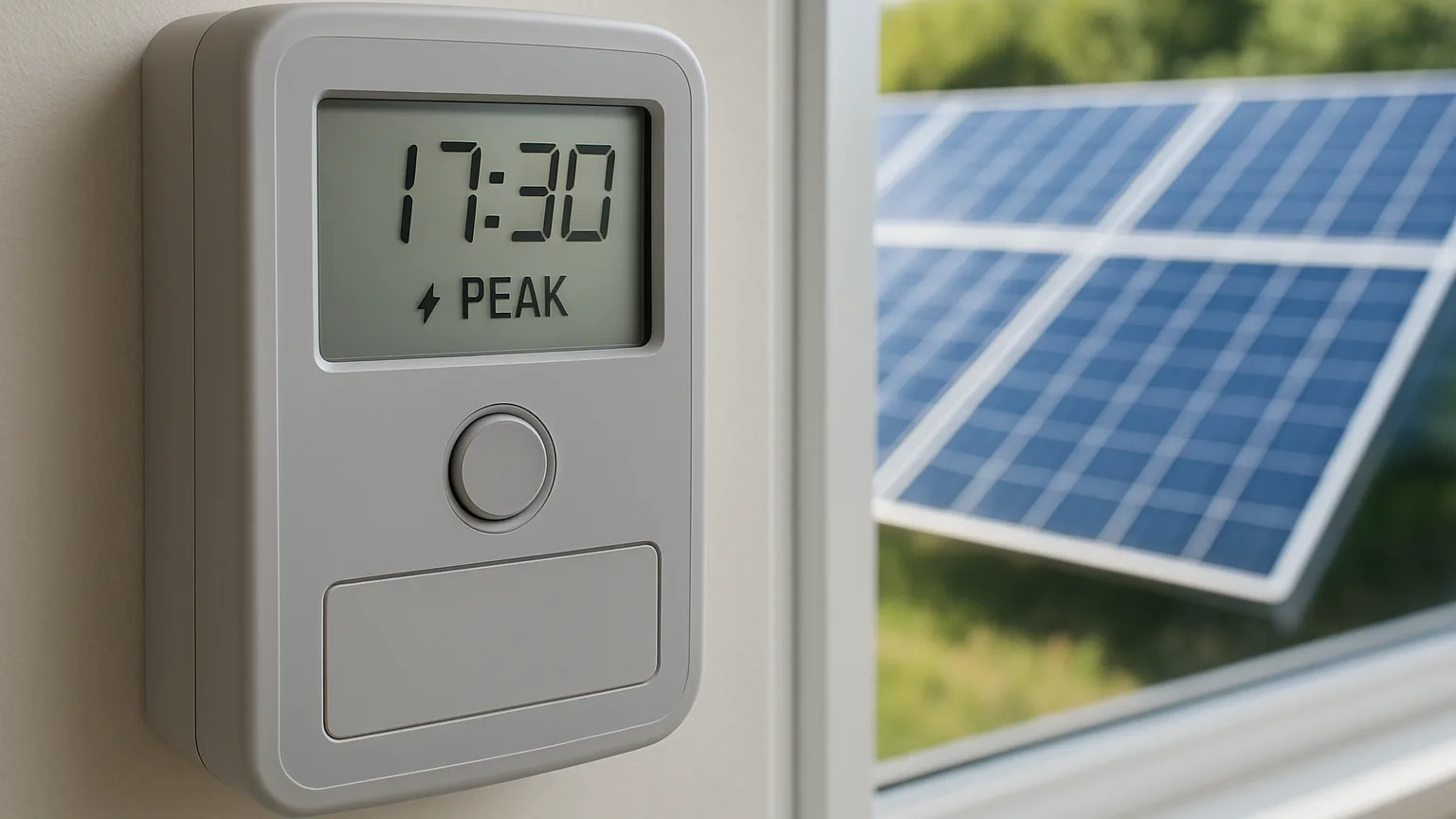
Many utilities now use time-of-use rates. Power costs less in the morning and midday. It costs much more during peak hours, often 4 p.m. to 9 p.m. Some plans also pay you less for the extra solar power you send back than they charge for the power you pull in later.
So the math is not one for one. You might export 20 kilowatt-hours at noon and get a credit worth a few dollars. Then you buy 20 kilowatt-hours at dinner time and pay two or three times as much. On paper, your panels covered your use. On the bill, you still owe.
Your AC sits right in the middle of this. In hot climates, cooling can be half or more of a summer electric bill. Most of that use lands in the pricey evening window.
When the Solar System Was Sized for a Different House
Solar installers size systems from your past 12 months of power use. That is a smart starting point. But it misses things that change later:
- You added a pool pump, an electric car, or a home office.
- Your old AC got slower and less efficient with age.
- A hotter than normal summer pushed run times way up.
- The AC itself was too big or too small for the home.
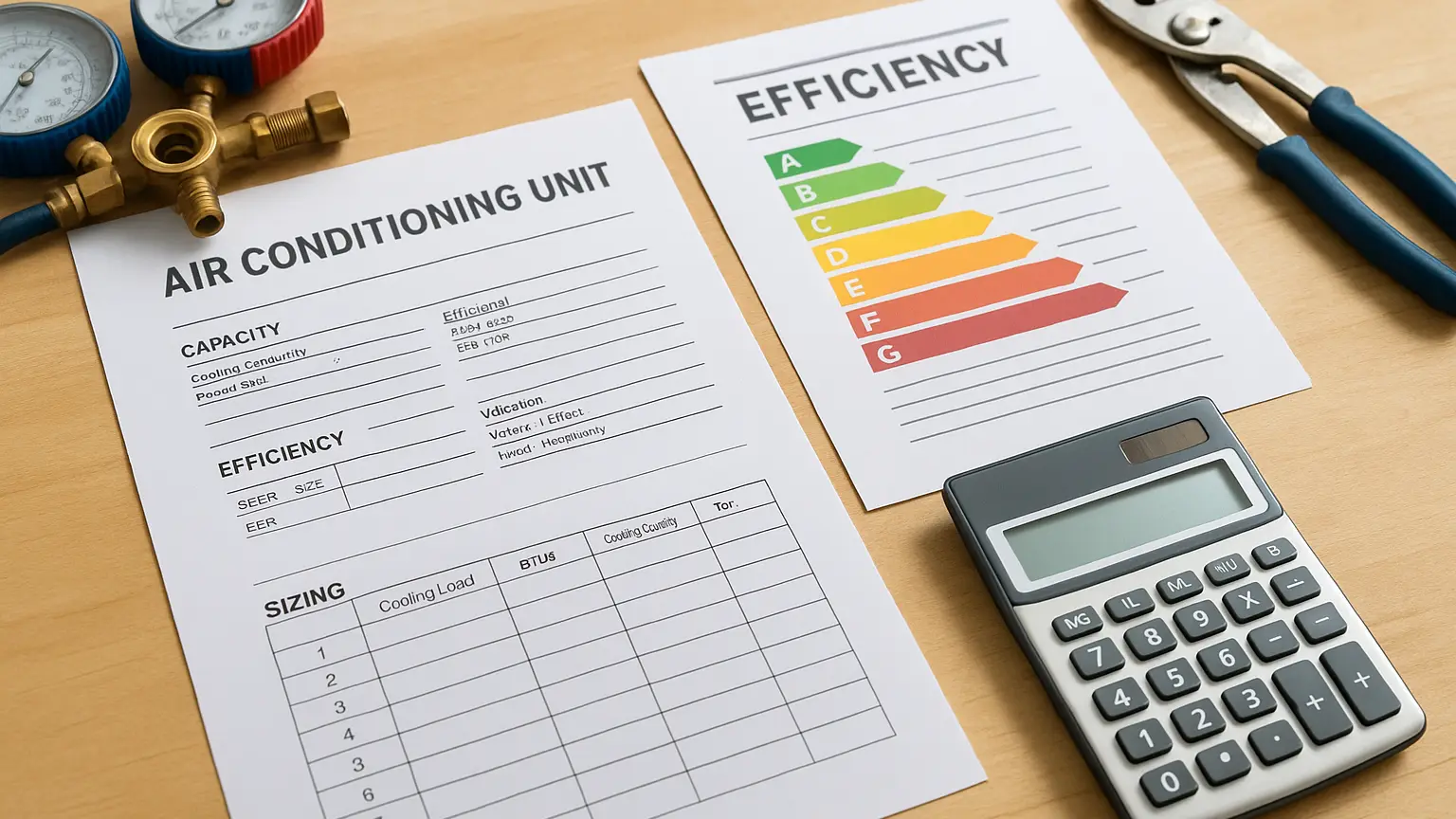
That last one surprises people. An oversized AC short cycles. It turns on and off in quick bursts that waste power and leave rooms clammy. An undersized one runs nonstop on hot evenings. Knowing how big of an AC your home really needs can trim cooling loads more than adding another panel ever would.
Reading the Labels: SEER2, EER2, and Why Both Matter
Every AC has efficiency ratings. Solar homes should pay close attention to these:
- SEER2 shows how efficient the unit is over a whole cooling season. Higher is better. Many older units sit around 10 to 13. Newer ones can reach 16 to 20 or more.
- EER2 shows efficiency at one hot moment, near 95 degrees outside. This is the number that matters most at 5 p.m. in July.
- Variable speed systems can run at low power for long stretches instead of blasting at full power. That fits solar output much better.
A 10 SEER unit can use close to twice the power of an 18 SEER2 unit for the same cooling. If your AC is more than 12 years old, it may be eating a big part of your solar gains.
A Quick Self-Check for Your Summer Bill
Grab your last summer bill and your solar app. Then walk through these questions:
- Does your bill show time-of-use or peak charges?
- How much power did you export at midday versus import after 4 p.m.?
- When did your AC last get a tune-up?
- Is the air filter clean, and are the outdoor coils free of dust and leaves?
- Do some rooms stay hot no matter what?
If imports spike in the evening and the AC is old or poorly kept, you have found your leak. Hot rooms often point to duct problems, which waste cooling before it ever reaches you.
HVAC Upgrades That Let Solar Carry the Load
Variable-Speed or Inverter Heat Pumps
These systems slow down instead of shutting off. They sip power for long hours, which pairs well with steady solar output. They also pull out more humidity and keep temperatures even.
Duct Sealing and Attic Insulation
Leaky ducts in a hot attic can lose 20 to 30 percent of your cooled air. Sealing them is one of the cheapest ways to cut AC run time.
Battery Storage
A home battery stores extra midday solar and releases it during peak hours. It is the most direct fix for the 5 o'clock gap. It works best when the AC is already efficient.
"We see homeowners in the desert who did everything right on the roof, then lose savings to a 15-year-old AC running all evening," says Marcus Ellison, senior solar design consultant at Capital Energy. "When we pair a right-sized system with battery backup and an efficient heat pump, the evening bill is usually where people notice the biggest change."
The order matters. Fix the AC and ducts first. Then size storage around the smaller load. Doing it the other way means paying for a bigger battery than you need.
Solar and AC Questions, Answered Fast
Can solar panels run an air conditioner directly?
Yes, during the day. Most home systems feed the house first and send the extra to the grid. At night, without a battery, the AC runs on grid power.
How many solar panels does it take to run central AC?
A typical 3-ton central AC uses about 3 to 3.5 kilowatts while running. In a hot climate with long run times, cooling alone could take 10 to 15 panels' worth of daily output. Efficient units need fewer.
Is it worth replacing a working AC after going solar?
Often, yes, if the unit is over 12 years old or below 14 SEER. A newer system shrinks the load your panels must cover, and pairing it with smart habits can lead to real air conditioning bill savings year after year.
Should I add more panels instead?
Sometimes. But under time-of-use rates, extra midday power may earn very little. Cutting the evening cooling load usually pays back faster.
Let the Sun Work the Late Shift Too
Solar homes still see summer spikes because the sun and the AC keep different hours. Panels peak at noon. Cooling peaks at dinner time, when rates are highest and export credits are lowest. Add an aging or wrong-sized AC, leaky ducts, and a system sized for last year's life, and the bill climbs even with a full roof.
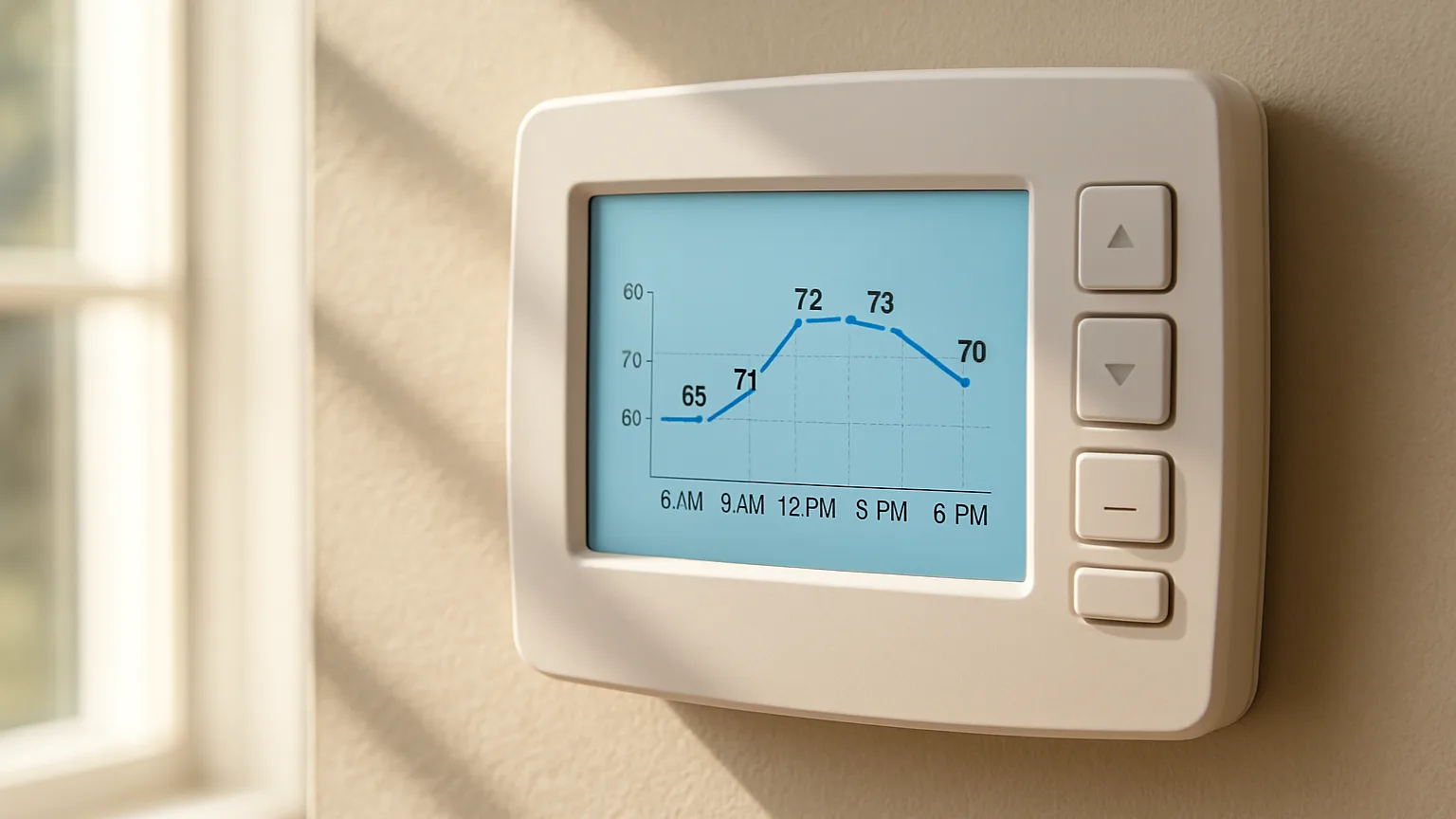
The fix is to close that gap. Pre-cool during sunny hours, check SEER2 and EER2 ratings, right-size your equipment, and seal your ducts. Then look at variable-speed systems and battery storage. When your cooling plan matches your solar plan, those near-zero summer bills start to look real.